Časovanie pravidelného slovesa [gather]
Časovanie alebo konjugácia je spôsob ohýbania slovies. Zmena ich tvaru, najčastejšie koncovkou alebo použitím pomocných slov, slúži na vyjadrenie gramatických slovesných kategórií, ako je osoba, číslo čas, vid, rod a spôsob, ktoré sa vzťahujú na dej alebo stav ktorý sloveso popisuje. Podľa spôsobu časovania sa slovesá rozdeľujú do rôznych tried - množín (v latinčine konjugácií), ktoré majú svoje vzory, podľa ktorých sa časujú.
Rozoznávame slovesné tvary jednoduché (napr. robiť, robím) a zložené (napr. robil som, budem robiť).
Celkovo má angličtina 12 základných časov. Avšak v bežnom rozhovore s pravým Angličanom alebo Američanom sa so všetkými ani nestretnete.
Podmieňovací spôsob
(Conditional)
pravidelného slovesa [gather]
Podmieňovací spôsob (kondicionál), je slovesný spôsob, ktorým sa vyjadruje podmienenie uskutočnenia určitého deja alebo stavu istými okolnosťami. Kondicionál sa tiež používa na zdvorilé vyjadrenie žiadosti (mohli by ste mi, prosím, povedať...?).
Prítomný kondicionál sa v angličtine tvorí pomocným slovom would a slovesom v základnom tvare (infinitíve).
Pri tvorbe minulého kondicionálu sa používa minulý infinitív, t.j. konštrukcia would have + príčastie trpné. V angličtine je potrebné rozlišovať medzi minulým a prítomným kondicionálom.
Kondicionál prítomný
(Conditional present)
Kondicionál prítomný priebehový
(Conditional present progressive)
Kondicionál minulý
(Conditional perfect)
Konjunktív
(Subjunktiv)
pravidelného slovesa [gather]
Konjuktív (z neskoro latinského modus coniuctivus), v preklade spôsob slúžiaci na vetnú väzbu ( z lat. conjugere – spájať) alebo v angličtine subjunktiv.
Konjunktív je slovesný spôsob vyjadrujúci podmienený alebo hypotetický dej. Vyjadruje možné, pravdepodobné, hypotetické, želané, obávané alebo potrebné akcie (slúžiace k vyjadreniu vzťahu hovoriaceho k deju). Akcií, ktoré sa nemusia stať v žiadnom časovom bode. Konjunktív označuje hlavne subjektívnosť, pochybnosti či neistotu oznámenia.
Konjunktív prítomný
(Present subjunctive)
Konjunktív minulý
(Past subjunctive)
Rozkazovací spôsob
(Imperatív)
pravidelného slovesa [gather]
Rozkazovací spôsob – imperatív (z latinského imperatívus), je slovesný spôsob vyjadrujúci rozkaz, požiadavku alebo zákaz. Použitie rozkazovacieho spôsobu môže často znieť hrubo a nezdvorilo. Preto býva rozkaz opisovaný zdvorilejšie použitím iného spôsobu.
Vo väčšine jazykov sa rozkazovací spôsob používa predovšetkým v 2. osobe, na ktorú sa hovoriaci obracia. V písanej forme sa výpovede obsahujúce rozkazovací spôsob zakončujú:
- výkričníkom, ak ide o kategorickú požiadavku (Okamžite odíď!)
- v ostatných prípadoch bodkou, ak ide o zdvorilú požiadavku (Prosím, otvor okno.)
V angličtine sa rozkazovací spôsob 2. osoby jednotného i množného čísla zhoduje s infinitívom (bez častice to):
- (to) do = robiť, do! = rob, robte!
- v iných osobách sa opisuje väzbou so slovesom let (nechať) a predmetovým pádom osobného zámena, najčastejšie v 1. osobe množného čísla:
- Let us (=let´s) go! = poďme!
Príčastie
(Participle)
pravidelného slovesa [gather]
Príčastie (particípium, z latinského participare – mať účasť), je neurčitý menný tvar slovesa, ktorý má v jazyku rôzne funkcie
- účasť na tvorbe zložených slovesných časov
- účasť na tvorbe trpného rodu
- funkciu prívlastku
- alternatíva k vedľajším vetám (vetné kondenzátory)
- a iné
Príčastia tvoria často základ prídavných mien (deverbálne adjektíva)
Kúpený – kúpený, minulý - minulý
A podstatných mien (deverbálne substantíva) kúpenie
Využite tlačidlo "Náhodná voľba"
| Začať so štúdiom nepravidelných slovies: |
| Náhodná voľba = >> |
Anglická nepravidelná slovesa snadno a rychle!
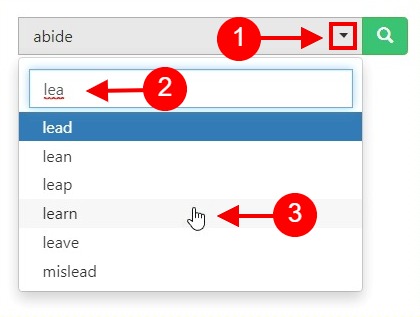
Hľadáte konkrétny nepravidelné sloveso?
Využite vyhľadávania (filter)